Understanding what’s happening — and how to sleep better. Many men notice the shift gradually. You still go to bed at the same time…But you wake more easily.You don’t feel as refreshed.You may wake earlier than you’d like. And the assumption is often: “That’s just part of getting older.” While sleep patterns do change with …

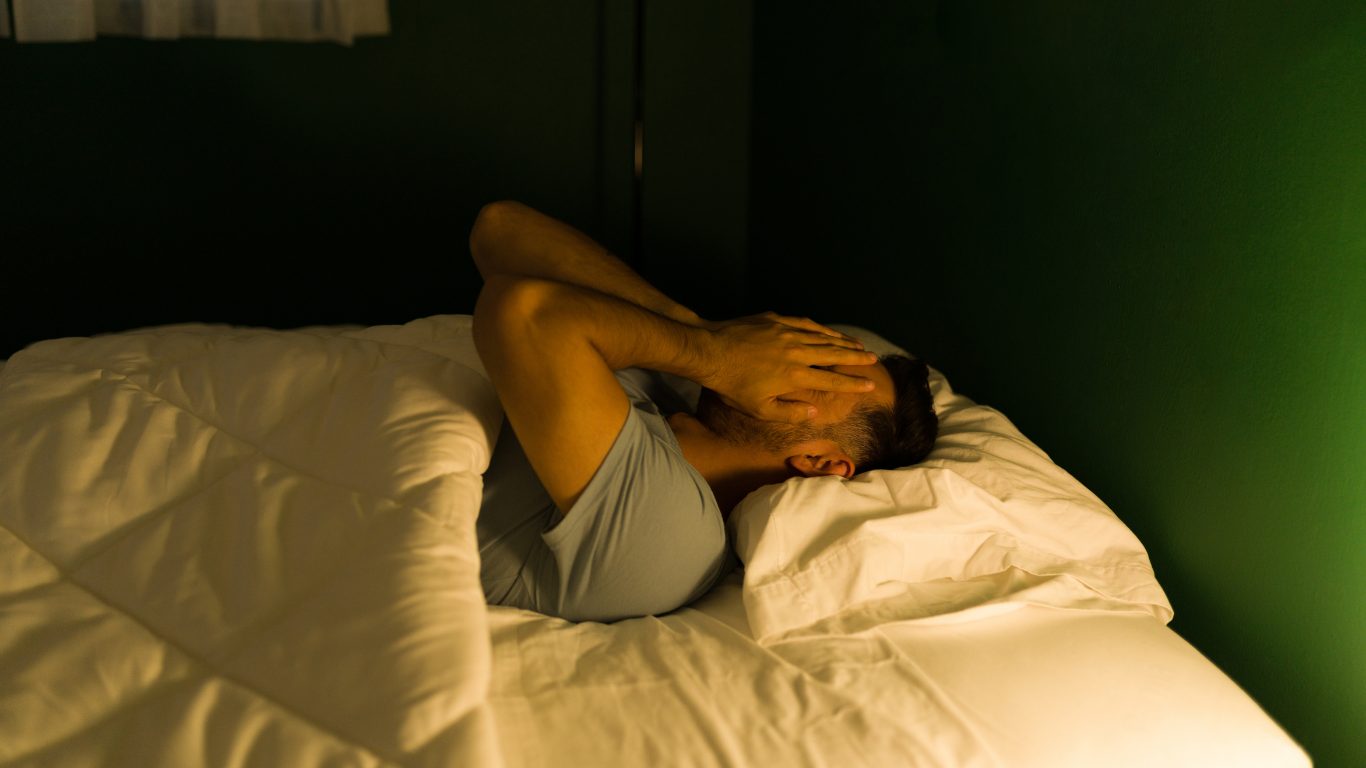
Understanding what’s happening — and how to sleep better.
Many men notice the shift gradually.
You still go to bed at the same time…
But you wake more easily.
You don’t feel as refreshed.
You may wake earlier than you’d like.
And the assumption is often:
“That’s just part of getting older.”
While sleep patterns do change with age, poor sleep isn’t something you simply have to accept.
Understanding why it changes is the first step to improving it.
How Sleep Naturally Changes After 55
Sleep isn’t just about hours — it’s about depth and rhythm.
As we age, several things happen:
Lighter sleep cycles
Deep sleep tends to reduce slightly, making you more sensitive to disturbances.
Circadian rhythm shifts
You may feel sleepy earlier and wake earlier.
Increased nervous system alertness
Stress and accumulated life load make it harder to fully switch off.
The Tension You Can’t Stretch Away
Hormonal changes
Sleep-regulating hormones fluctuate, affecting sleep depth.
The Nervous System, Hormones & Testosterone — Explained Like a House
These changes are normal — but they don’t mean sleep can’t improve.
Why Sleep Matters More Now
After 50, sleep plays a bigger role in:
- muscle recovery
- hormone balance
- cognitive function
- energy levels
- mood
- immune health
Poor sleep doesn’t just make you tired.
It reduces your ability to recover and adapt.
Signs Sleep Isn’t Supporting You
You might notice:
- waking tired
- mid-afternoon energy dips
- reduced training recovery
- irritability
- brain fog
- increased aches
These often indicate sleep quality issues rather than just sleep quantity.
The Stress–Sleep Connection
One of the biggest drivers of sleep disruption is nervous system load.
If the body still feels “on”, it doesn’t fully enter recovery mode.
This is why stress often leads to:
- racing thoughts
- shallow sleep
- waking during the night
Improving regulation often improves sleep.
What Actually Improves Sleep After 50
Sleep rarely improves through one change alone.
It improves through consistent signals.
Consistent sleep timing
Going to bed and waking at similar times stabilises the body clock.
Light exposure
Morning daylight helps regulate sleep cycles.
Movement during the day
Physical activity improves sleep pressure.
(Internal link: Walking, Rucking & Low Impact Cardio)
Avoid late heavy stimulation
Intense workouts, heavy meals, or screens late at night can delay sleep.
Create a wind-down period
Calming the nervous system prepares the body for rest.
The Role of Recovery
Sleep isn’t separate from recovery — it is recovery.
When sleep improves:
- soreness reduces
- strength improves
- mood stabilises
- focus improves
Strength, Calm & Mental Fitness
This is why improving sleep often unlocks progress elsewhere.
The Goal Isn’t Perfect Sleep
Sleep will never be flawless every night.
The aim is:
- more consistent
- deeper overall
- more restorative
Small improvements compound over time.
When Sleep Still Feels Difficult
If sleep remains poor despite good habits, it can help to look at:
- stress levels
- training load
- caffeine timing
- late-night light exposure
Sleep is often the result of how the day is structured.
The Renovation Dad Approach
Instead of chasing quick fixes, think of sleep as part of the house maintenance.
Improve:
- routine
- environment
- nervous system load
- daily movement
And sleep improves naturally.
Where to Go Next
If you want to improve sleep further, continue here:
Recovery After 50 — how sleep fits the bigger picture
Stress, Calm & Mental Fitness — reducing night-time alertness
The Tension You Can’t Stretch Away — why the body stays switched on
Walking, Rucking & Low Impact Cardio — improving sleep through movement
Renovation Dad Bottom Line
Sleep changes with age — but it doesn’t have to decline.
When you support the body’s rhythms, recovery improves, energy stabilises, and everything feels easier.
Sleep isn’t passive.
It’s one of the most powerful tools you have.