
A Renovation Dad guide to understanding and fixing acid reflux. That burning sensation in your chest. The sour taste in the back of your throat. The cough that just won’t shift. If you’ve experienced these, you know how frustrating acid reflux can be. It feels like something in your system isn’t working the way it …

A Renovation Dad guide to understanding and fixing acid reflux.
That burning sensation in your chest.
The sour taste in the back of your throat.
The cough that just won’t shift.
If you’ve experienced these, you know how frustrating acid reflux can be. It feels like something in your system isn’t working the way it should — like pressure building where it doesn’t belong.
And in a way, that’s exactly what’s happening.
THINK OF YOUR DIGESTION LIKE HOUSE PLUMBING
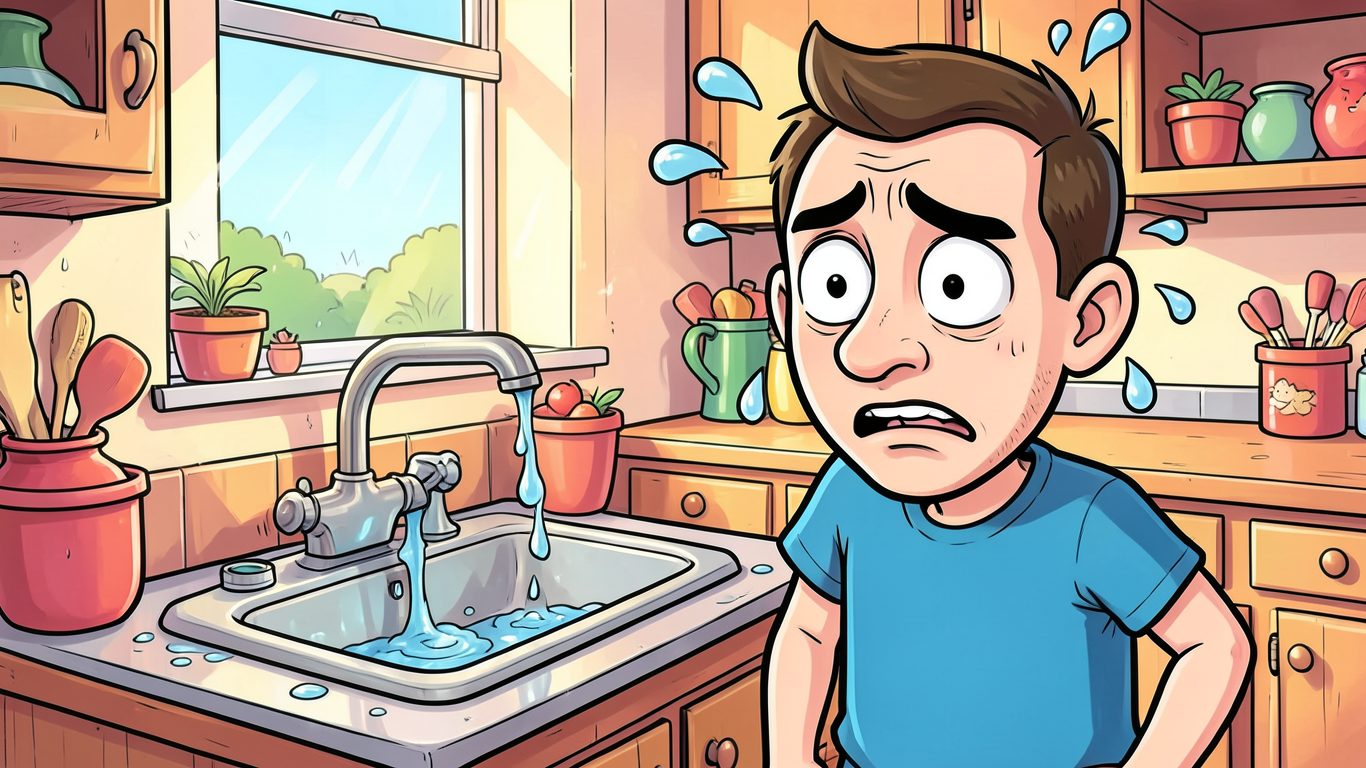
Imagine your digestive system as the plumbing in your home.
Food and drink travel down a pipe (your oesophagus) into a tank (your stomach).
At the bottom of that pipe is a valve designed to close tightly, keeping everything contained.
When that valve seals properly, the system works quietly in the background.
But if the valve becomes a little loose or leaky, stomach contents — including acid — can move back up the pipe.
That’s when you feel the burn.
This isn’t about something being “wrong” with you.
It’s about understanding the system so you can help it work better again.
And the good news is — this is often very manageable.
UNDERSTANDING THE “LEAK”
The valve we’re talking about is called the Lower Oesophageal Sphincter (LES).
Its job is simple –
open to let food in, then close to keep stomach contents where they belong.
Reflux happens when this valve relaxes too much or when pressure inside the stomach pushes it open.
For many people, reflux isn’t about too much acid — it’s about the valve not sealing as well as it could.
WHAT CAN CAUSE THE VALVE TO LEAK?
Dietary triggers
Some foods naturally relax the valve, including:
- fatty meals
- spicy foods
- citrus
- tomatoes
- caffeine
- alcohol
If you’re unsure where to start with supportive eating habits, it helps to understand the bigger picture in Nutrition Basics.
Pressure in the stomach
More pressure makes reflux more likely. This can come from:
- large meals
- excess body weight
- tight clothing
Lifestyle factors
Certain habits can also contribute:
- lying down soon after eating
- smoking
- ongoing stress
If you’ve noticed physical symptoms building alongside stress, it’s worth reading
Signs Stress Is Affecting Your Body.
THE RENOVATION DAD TOOLKIT
Practical ways to improve the system
You don’t need drastic changes — just small adjustments that help the valve do its job.
TOOL 1 — ADJUST WHAT YOU EAT
You don’t have to eliminate everything, but noticing triggers can make a big difference.
Foods that often help
- high-fibre foods like oats and whole grains
- root vegetables
- bananas and melons
- nuts
- herbal teas
These support digestion and reduce irritation.
If you want a broader framework for building meals, see Nutrition Basics.
Foods to limit if symptoms flare
- very acidic foods
- high-fat meals
- fizzy drinks
- chocolate and peppermint
TOOL 2 — ADJUST HOW YOU EAT
Small habits matter just as much as food choices.
Eat smaller meals
Give yourself 2–3 hours before lying down
Chew thoroughly
Slow down when eating
These reduce pressure and help digestion run smoothly.
TOOL 3 — USE GRAVITY TO YOUR ADVANTAGE
If reflux happens at night:
- elevate the head of the bed slightly
- avoid late heavy meals
Gravity is one of the simplest tools you have.
If night symptoms affect your rest, you may find
Sleep After 50: Why It Changes and What Helps useful.
TOOL 4 — QUICK SOOTHING OPTIONS
Occasional relief can help while you work on the bigger picture.
- a glass of water
- ginger tea
- gentle movement
These don’t fix the cause, but they can calm symptoms.
THE BIGGER PICTURE
Reflux often improves when the whole system is supported:
balanced meals
regular movement
good sleep
lower stress levels
For a deeper look at how recovery supports your body overall.
Your body responds best to consistent signals, not quick fixes.
YOUR NEXT PROJECT: A SIMPLE RESET
Think of this as maintenance, not a major overhaul.
Small changes — repeated consistently — can help your digestive system settle and function more comfortably.
If you prefer a structured starting point, a short reset plan can help identify triggers and build supportive habits.
RENOVATION DAD BOTTOM LINE
Acid reflux isn’t a sign your body is broken.
It’s a sign the pressure in the system needs adjusting.
When you:
reduce triggers
improve habits
support digestion
the “leak” often becomes much less noticeable — or disappears altogether.
Small changes.
Steady adjustments.
A system that works better over time.
Stay steady. Stay capable. Stay comfortable.
WHERE TO GO NEXT
Nutrition Basics — building a supportive diet
Recovery After 50 — improving repair and resilience
Sleep After 50: Why It Changes and What Helps — supporting night comfort
Signs Stress Is Affecting Your Body — recognising stress signals