If you ask most men over 50 what they should be doing for fitness, they’ll usually mention something intense. Running. Circuits or Cross fit. Something that leaves you out of breath and sore. And that belief quietly stops a lot of men from doing anything at all. Because deep down they know those options don’t …


If you ask most men over 50 what they should be doing for fitness, they’ll usually mention something intense.
Running. Circuits or Cross fit. Something that leaves you out of breath and sore.
And that belief quietly stops a lot of men from doing anything at all.
Because deep down they know those options don’t suit their joints, their history, or where they are now.
Here’s the Renovating Dad truth:
The most effective cardio for men over 50 is often the simplest.
Walking — and its slightly heavier cousin, rucking — build fitness, protect joints, improve mood, and support longevity without breaking you down.
When combined with mobility and strength, they complete the physical triad that keeps you capable for decades.
Why Cardio After 50 Needs a Rethink
Traditional cardio advice often assumes:
- Healthy knees and hips
- High recovery capacity
- No history of back or joint issues
That’s not most men over 55.
After 50, cardio should:
- Support joints, not punish them
- Improve stamina without stealing recovery
- Fit easily into daily life
That’s why walking, rucking, and other low-impact cardio work so well.
They deliver benefits without asking your body to absorb repeated high-impact stress.
Walking: The Most Underrated Fitness Tool There Is
This isn’t new, everybody has heard of the daily 10,000 steps challenge. (There is a story behind that number, check it out, not now though!)
Regular walking:
- Improves heart health
- Supports blood sugar control
- Keeps hips, ankles, and spine moving
- Reduces stress and anxiety
- Improves sleep quality
Most importantly, it’s sustainable.
You don’t need special kit.
You don’t need a gym.
You don’t need to psyche yourself up.
Walking reinforces the mobility work discussed in Mobility After 50: The Real Foundation of Strength and Longevity — gently, repeatedly, and naturally.
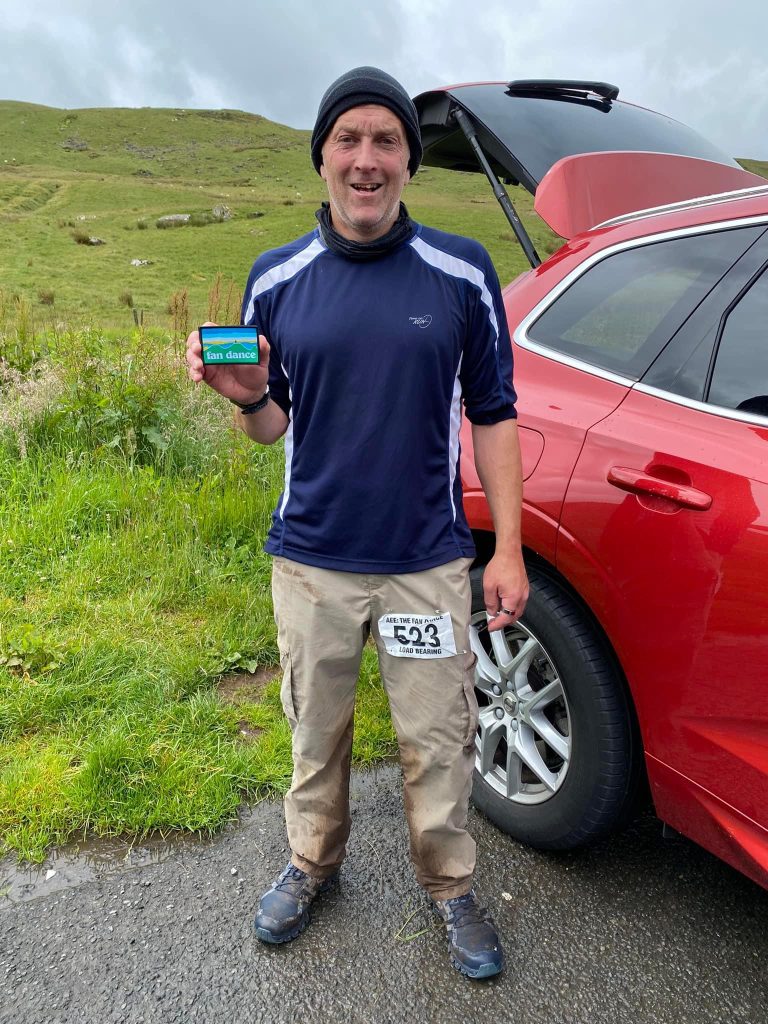
This is me after completing The Fan Dance, a tough rucking event back in 2022.
Rucking: When Walking Needs a Bit More Purpose
Rucking is simply walking with a light load. It is actually beginning to become very popular and for good reason.
For men over 50, rucking sits in a sweet spot:
- More stimulus than walking
- Far less impact than running
- Highly transferable to real life
Rucking builds:
- Leg strength
- Core stability
- Postural endurance
- Bone-loading stimulus
It pairs exceptionally well with safe strength training for men over 50, reinforcing strength without needing a gym session.
Low-Impact Cardio Options That Actually Work
Walking and rucking are the foundation, but they’re not the only tools.
Other joint-friendly options include:
- Cycling (upright, relaxed posture)
- Swimming
- Rowing machines (with good technique)
- Elliptical trainers
The key is not the tool.
It’s the impact cost.
If your cardio choice leaves your joints irritated or your sleep disrupted, it’s costing more than it’s giving back — something we address in Sleep & Recovery Over 50.
How Walking Supports Strength, Balance, and Longevity
Walking isn’t just cardio.
It’s connective tissue.
Regular walking:
- Improves balance through repeated foot contact
- Reinforces gait and coordination
- Helps strength gains stick between sessions
That’s why men who walk regularly tend to feel more confident on their feet — a key part of balance, falls, and staying upright as you age.
It also supports the long-term goal covered in longevity training that keeps you independent as you age.
How Much Walking or Rucking Do You Actually Need?
This is very simple.
For most men over 50:
- Walk most days
- Start with 20–30 minutes
- When you fancy adding a ruck in. Add load slowly, once a week to off.
Consistency matters far more than pace.
You should finish feeling:
- Warm
- Looser than when you started
- Calm, not wired
If rucking:
- Start very light
- Increase weight gradually
- Prioritise posture over distance
This approach supports recovery rather than competing with it — especially when combined with strength training over 50.
Common Cardio Mistakes Men Over 50 Make
A few traps to avoid:
Trying to turn walks into workouts
Walking doesn’t need to be punished into effectiveness.
Adding load too quickly when rucking
Your joints adapt slower than your enthusiasm.
Using cardio to ‘earn’ rest
Movement should support recovery, not replace it.
Many of these mistakes link back to the same patterns discussed in why men over 50 feel stiff, tired, and slower.
Cardio, Stress, and Mental Fitness
Walking does something intense workouts often don’t.
It calms the nervous system.
That calm matters.
Regular walking:
- Lowers baseline stress
- Improves mood
- Helps thinking feel clearer
That’s why walking features heavily in stress, calm, and mental fitness for men over 50.
Fitness that leaves you calmer than when you started is fitness you’ll keep.
The Renovating Dad Way to Use Cardio
Walking and rucking aren’t about chasing fitness highs.
They’re about keeping the structure sound.
Think of them as:
- Daily maintenance
- Joint lubrication
- Stress relief
Combined with:
- Mobility
- Strength
They complete the physical triad.
If you want a simple way to put this into practice, start by taking the 50+ MOT and see where you are right now, it’s free!
Where This Fits in Your Renovation
This article focused on daily movement habits, the easiest way to improve health and energy.
Your Next Step
Longevity Training — how cardio fits into ageing well
Sleep & Recovery — how movement improves repair
Stress, Calm & Mental Fitness — walking as a nervous system reset
Renovation Dad Bottom Line
Consistency beats intensity every time.
Because the best fitness plan after 50 is the one that keeps you moving tomorrow.
If you want calm, practical guidance each week, click below.