The real reason your body feels stiff — and what actually work. You stretch your hamstrings.You open your hips.You try mobility routines. And yet… You still feel tight. Sometimes tighter the next day. It’s confusing, because you’re doing what you’ve always been told: “If you’re tight, stretch.” But here’s the truth: After 50, tightness often …

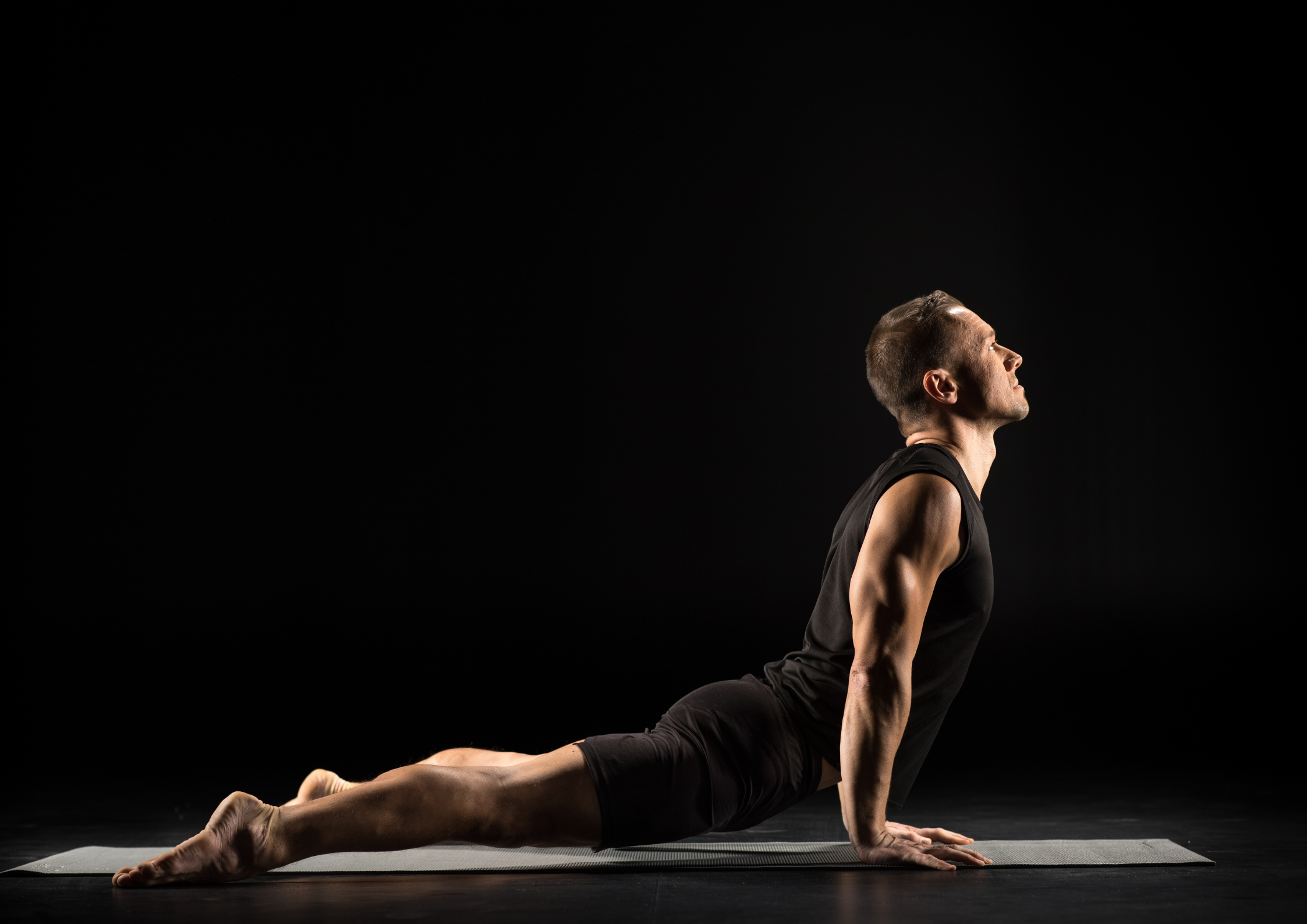
The real reason your body feels stiff — and what actually work.
You stretch your hamstrings.
You open your hips.
You try mobility routines.
And yet…
You still feel tight.
Sometimes tighter the next day.
It’s confusing, because you’re doing what you’ve always been told:
“If you’re tight, stretch.”
But here’s the truth:
After 50, tightness often isn’t a flexibility problem.
It’s a protection problem.
Your body isn’t short.
It’s guarding.
Tight Doesn’t Always Mean Short
Muscles tighten for two main reasons:
Lack of movement
Perceived threat or load
The first responds well to stretching.
The second doesn’t.
And as we age, the second becomes far more common.
Years of:
- sitting
- stress
- injuries
- workload
- responsibility
Teach the body to stay slightly braced.
That tension becomes the “new normal”.
The Nervous System’s Role in Tightness
Your muscles don’t decide how tight they are.
Your nervous system does.
If the brain thinks:
“We need stability.”
It increases muscle tone — especially in:
- hips
- lower back
- shoulders
- neck
This is protective.
Not faulty.
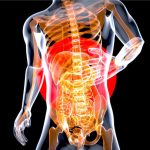
The Tension You Can’t Stretch Away
Why Stretching Only Gives Short-Term Relief
When you stretch a guarded muscle:
You temporarily lengthen it.
But the nervous system still wants protection.
So it tightens again.
It’s like:
Trying to loosen a support cable while the building still thinks there’s a storm
That’s why the relief fades.
The Psoas Example
One of the most common “tight” muscles is the psoas.
But often it’s not short — it’s braced.
Because it helps stabilise the spine under stress.
This is why aggressive hip flexor stretching can feel uncomfortable or ineffective.
The system hasn’t been told it’s safe to release.
What Actually Reduces Tightness
Instead of forcing length, you need to reduce the reasons the body is holding tension.

Improve movement variability
Gentle movement tells the body it’s safe to move.
Build strength around joints
Stability reduces the need for guarding.
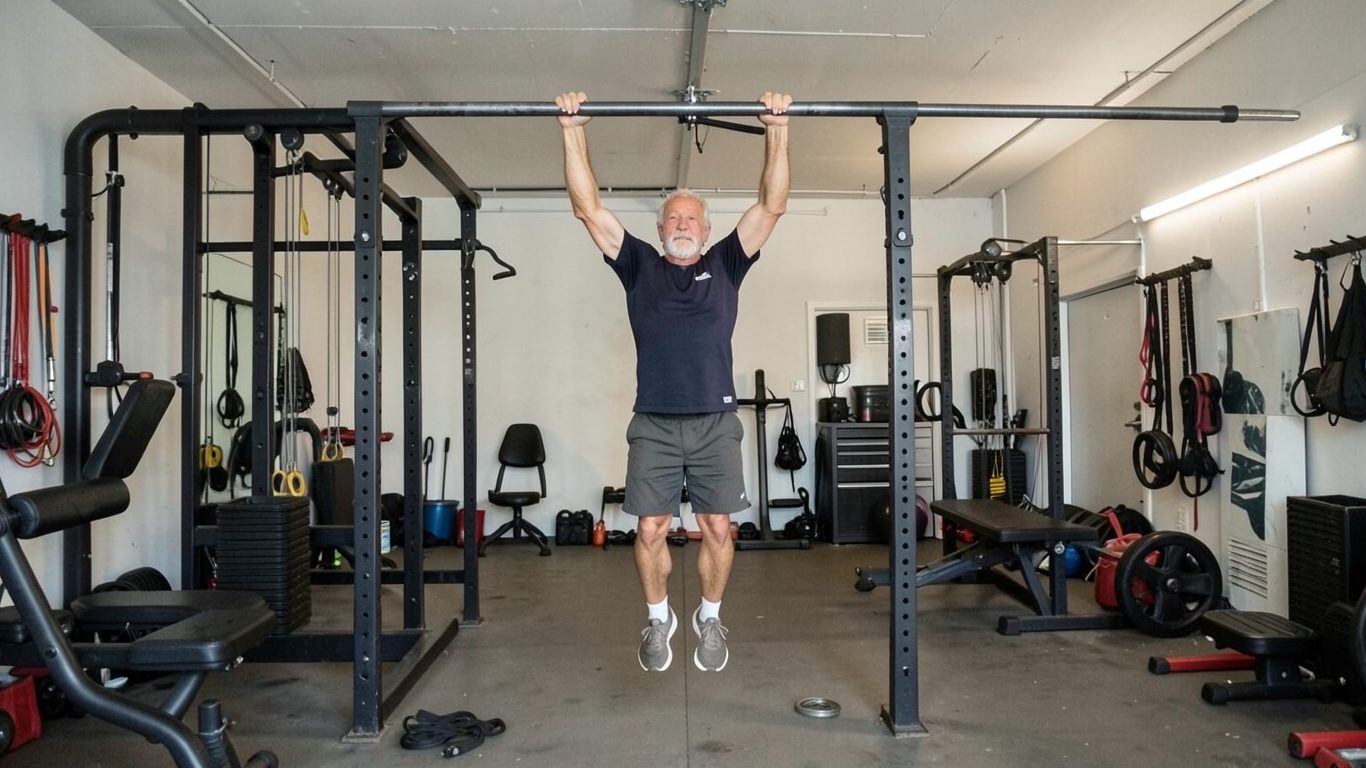
Safe Strength Training for Men Over 50
Reduce nervous system load
Less internal pressure = less muscle tone.
Improve recovery
Fatigue increases tension.
Walk regularly
Rhythmic movement calms the system.
Walking, Rucking & Low Impact Cardio
Signs Tightness Is Protective (Not Flexibility)
You may recognise this pattern:
- Tightness returns quickly after stretching
- Stretching feels uncomfortable rather than relieving
- Tightness moves around
- You feel stiff when stressed or tired
- You feel better after walking, not stretching
These are signs of guarding, not short muscles.
Why This Matters After 50
When tightness is misunderstood:
Men often:
- stretch more aggressively
- avoid movement
- assume they’re deteriorating
But when you understand the real cause:
You can:
- move with confidence
- focus on strength and recovery
- stop chasing endless stretching
This changes how you approach your body.
The Renovation Dad Approach to Tightness
Instead of forcing flexibility:
Reduce load
Add support
Restore movement
That’s how tightness actually improves.
Tightness Is Feedback, Not Failure
Your body isn’t stiff because it’s broken.
It’s stiff because it’s trying to help.
When you improve:
- recovery
- strength
- movement
- stress
Tightness naturally decreases.
Not overnight.
But reliably.
Where to Go Next
If this resonates, continue here:
The Tension You Can’t Stretch Away — understanding stored tension
Mobility After 50 — restoring comfortable movement
Recovery After 50 — reducing fatigue-related stiffness
Stress, Calm & Mental Fitness — calming the system
Renovation Dad Bottom Line
Tightness isn’t always about flexibility.
Most of the time, it’s about load.
When you reduce the pressure and improve support, the body lets go.
You don’t force change.
You create the conditions for it.