How to recognise real improvement — even when it’s subtle. When most people think about strength progress, they picture lifting heavier weights, dramatic physical changes, fast improvements. So when progress looks slower or less obvious after 50, it can feel discouraging. But strength doesn’t stop improving with age. It simply shows up differently. Understanding what …

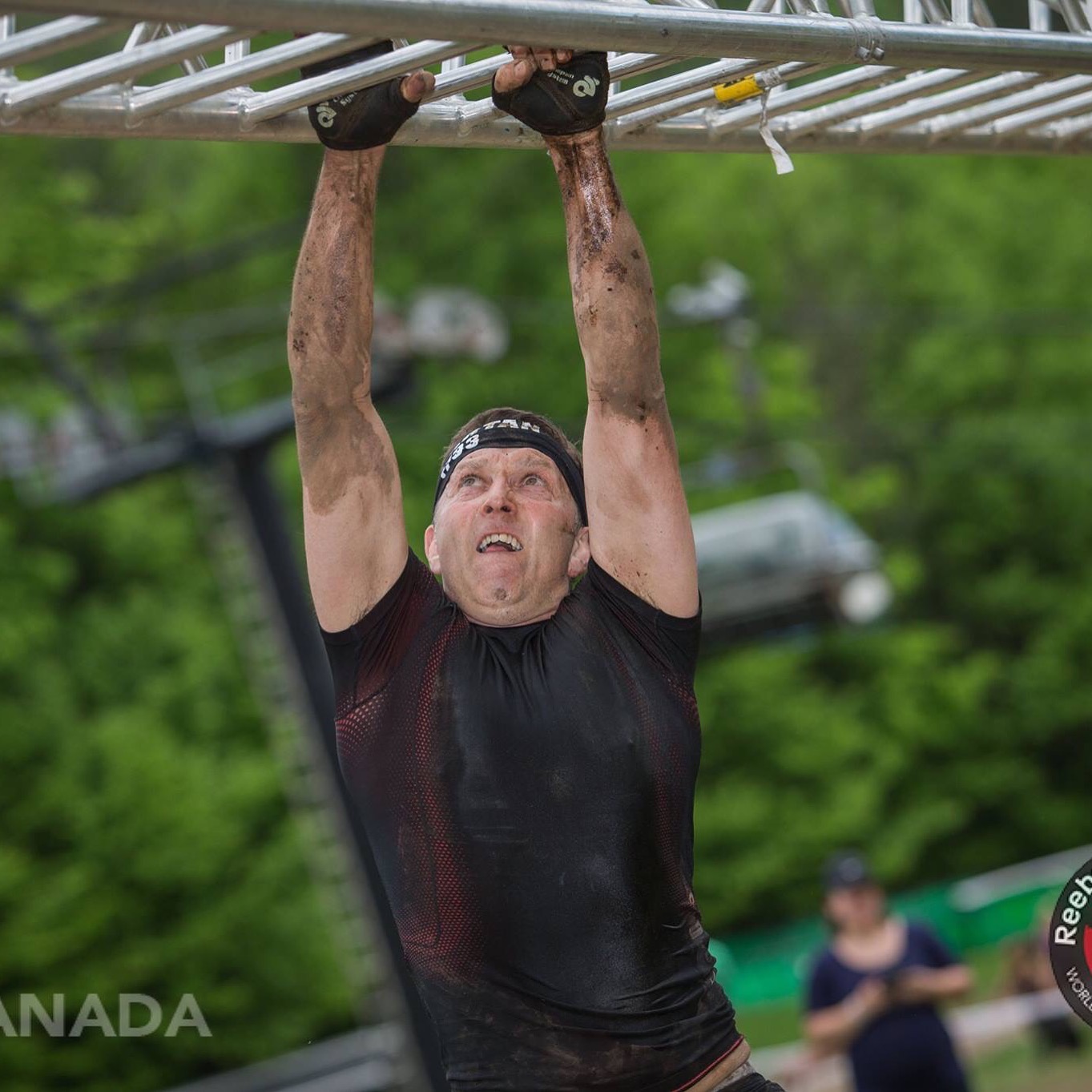
How to recognise real improvement — even when it’s subtle.
When most people think about strength progress, they picture
lifting heavier weights,
dramatic physical changes,
fast improvements.
So when progress looks slower or less obvious after 50, it can feel discouraging.
But strength doesn’t stop improving with age.
It simply shows up differently.
Understanding what real progress looks like helps you stay motivated and consistent.
Strength After 50 Is About Function, Not Just Numbers
You can still get stronger — often significantly.
But progress isn’t just about increasing weight.
It’s about improving:
- movement quality
- control
- confidence
- endurance
- resilience
These changes are powerful, even if they’re less visible.
SIGNS YOU’RE GETTING STRONGER
Progress often shows up in everyday ways.
Daily Tasks Feel Easier
Carrying shopping, getting up from chairs, lifting objects — these become smoother and less effortful.
Functional strength is the most meaningful strength.
Improved Stability and Balance
You feel more secure on your feet.
This reflects stronger stabilising muscles and better coordination.
Reduced Aches and Discomfort
Stronger muscles support joints, reducing strain.
Many people notice less stiffness and fewer minor aches.
Joint Health After 50: What Actually Helps
Better Posture
You naturally stand taller and feel more supported.
This often happens before noticeable muscle changes.
Increased Energy
Strength training improves overall capacity, making daily life feel less tiring.
Confidence in Movement
You stop worrying about hurting yourself and start trusting your body again.
This psychological shift is a huge marker of progress.
Why Progress Often Feels Slower
Strength improvements depend on recovery, and recovery takes more time with age.
That means progress is:
- steadier
- more gradual
- more sustainable
The Minimum Effective Dose for Strength After 50
Slow progress isn’t lack of progress — it’s lasting progress.
What Progress Doesn’t Need to Be
You don’t need to:
- train to exhaustion
- constantly increase weight
- chase soreness
These aren’t reliable indicators of improvement.
Consistency is.
Strength as Long-Term Insurance
Strength training isn’t just about today.
It protects:
- independence
- mobility
- bone health
- resilience
The benefits compound over years, not weeks.
The Mental Shift That Helps Most
Instead of asking:
“How much did I lift?”
Ask:
“Do I feel more capable?”
Capability is the true measure of strength after 50.
What to Expect Over Time
With consistent training, most people notice:
- improved strength within weeks
- easier movement within months
- long-term resilience over years
Progress may be subtle day to day, but obvious over time.
Why Strength Supports Every Other System
When strength improves:
- movement improves
- recovery improves
- confidence improves
- energy improves
Strength is the foundation of staying capable.
Where to Go Next
If you want to continue building strength, reading a few more posts from below –
Safe Strength Training for Men Over 50 — practical approach
The Minimum Effective Dose for Strength After 50 — train smarter
Recovery After 50 — support progress
Weekly Routine That Keeps You Fit for Life — structure
Renovation Dad Bottom Line
Strength progress after 50 isn’t about chasing numbers.
It’s about becoming more capable, more confident, and more resilient.
Small improvements add up to a stronger, more reliable body.
Stay consistent. Stay capable. Stay useful.