The simple approach that makes healthy habits last. Many plans fail for one simple reason, they don’t fit real life. They’re too intense.Too time-consuming.Too rigid. So when work gets busy or energy dips, the routine disappears. This isn’t a motivation problem. It’s a design problem. The best routine isn’t the perfect one. It’s the one …

The simple approach that makes healthy habits last.
Many plans fail for one simple reason, they don’t fit real life.
They’re too intense.
Too time-consuming.
Too rigid.
So when work gets busy or energy dips, the routine disappears.
This isn’t a motivation problem.
It’s a design problem.
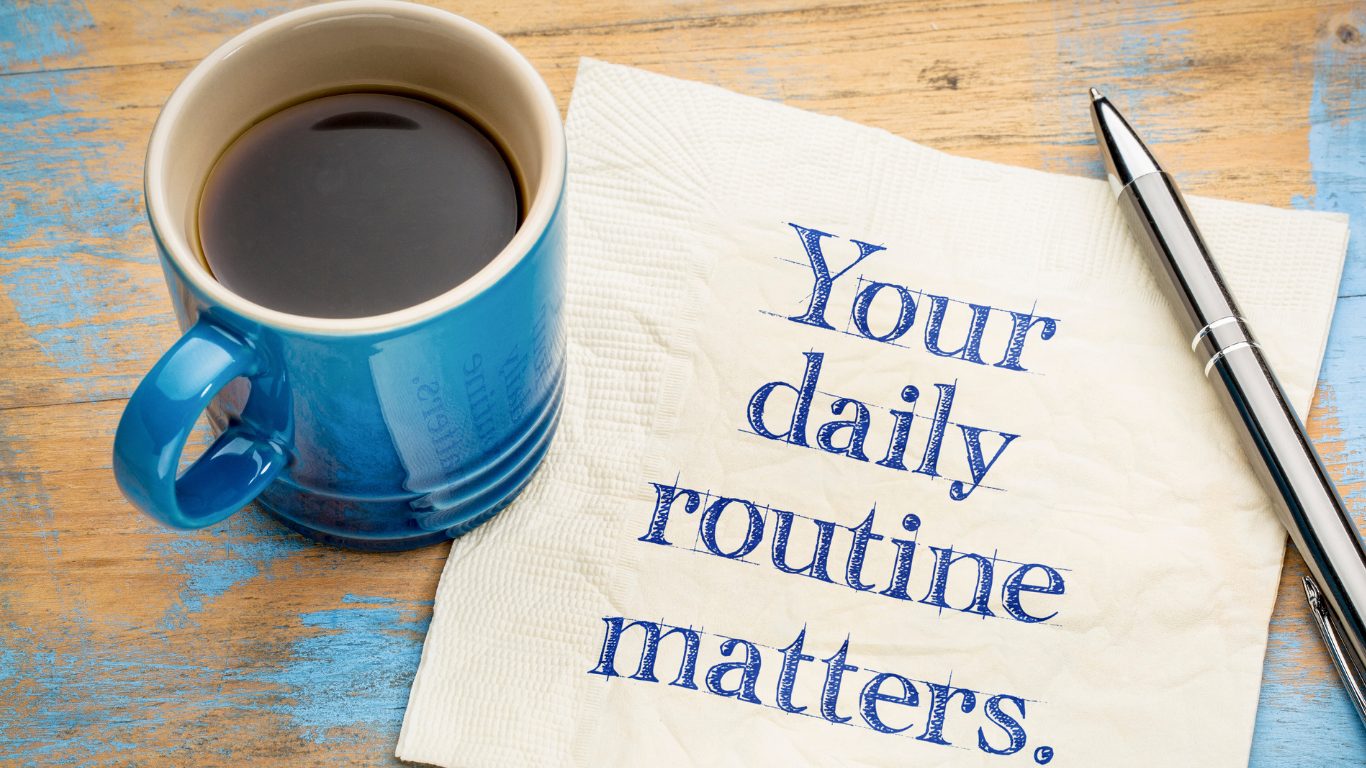
The best routine isn’t the perfect one.
It’s the one you can repeat.
The Goal: Consistency Over Perfection
After 50, consistency matters far more than intensity.
Small, regular actions create long-term results.
The Weekly Routine That Keeps You Fit for Life
A routine should support your life, not compete with it.
THE PRINCIPLES OF A STICKABLE ROUTINE
Start Smaller Than You Think
One of the biggest mistakes is doing too much too soon.
A routine should feel manageable from the start.
The Minimum Effective Dose for Strength After 50
Progress comes from repetition, not exhaustion.
Attach It to Existing Habits
Routines stick when they fit into something you already do.
For example:
- mobility after your morning coffee
- a walk after lunch
- 10 mins quiet time before bed
This reduces decision fatigue.
Make It Flexible, Not Rigid
Life changes week to week.
A routine that allows adjustment stays intact longer.
Training Around Joint Pain After 50
Consistency doesn’t mean doing the same thing every day.
It means staying engaged.
Focus on How It Makes You Feel
People stick to habits that make them feel better.
Energy, comfort, confidence — these are powerful motivators.
What Strength Progress Looks Like After 50
Reduce Friction
Make it easy to start.
Prepare your space.
Schedule sessions.
Keep equipment accessible.
The easier it is, the more likely you’ll do it.
The Role of Recovery and Energy
A routine should match your recovery capacity.
If it leaves you exhausted, it won’t last.
Signs You’re Not Recovering Properly
Sustainable routines feel supportive, not draining.
Why Motivation Isn’t the Key
Motivation comes and goes.
Structure keeps you moving when motivation dips.
When a routine becomes automatic, it requires less mental effort.
What a Realistic Routine Looks Like
For most people:
- 2–3 strength sessions
- regular walking
- short mobility work
- recovery time
Strength for Life
Walking, Rucking & Low Impact Cardio
It doesn’t need to be complicated.
The Confidence Effect
Consistency builds trust in your body.
The more you show up, the more capable you feel.
That confidence reinforces the routine.
When You Miss Days
Missing a session doesn’t mean failure.
The key is returning quickly, without guilt.
Consistency is measured over months, not days.
The Renovation Dad Approach
Think of your routine like maintaining a house.
Small regular maintenance prevents major problems later.
You don’t need big renovations every week.
You just need steady care.
Where to Go Next
If you want to build your routine, continue here:
The Weekly Routine That Keeps You Fit for Life — structure
Your First 30 Days — getting started
Recovery After 50 — supporting consistency
The Minimum Effective Dose for Strength After 50 — keeping it manageable
Renovation Dad Bottom Line
The best routine isn’t the hardest one.
It’s the one you keep.
Make it simple. Make it realistic. Make it repeatable.
Consistency builds strength, energy, and confidence over time.
Stay steady. Stay capable. Stay useful.