Why maintaining muscle is one of the most important things you can do after 50. When people think about muscle, they often think about appearance. But muscle isn’t just aesthetic. It’s one of the most important tissues for long-term health. After 50, maintaining muscle supports: It’s not about looking strong. It’s about staying capable. Healthspan …

Why maintaining muscle is one of the most important things you can do after 50.
When people think about muscle, they often think about appearance.
But muscle isn’t just aesthetic.
It’s one of the most important tissues for long-term health.
After 50, maintaining muscle supports:
- independence
- metabolism
- mobility
- resilience
- quality of life
It’s not about looking strong.
It’s about staying capable.
Healthspan vs Lifespan
Lifespan is how long you live.
Healthspan is how well you live.
Muscle plays a major role in determining whether later years are:
- active
- independent
- comfortable
Or limited by weakness and reduced mobility.
WHAT MUSCLE DOES FOR YOUR BODY
Supports Movement and Independence
Muscle allows you to:
- stand up easily
- climb stairs
- carry objects
- maintain balance
Without enough muscle, everyday tasks become harder.
Protects Joints
Muscles absorb force and stabilise joints.
Stronger muscles reduce joint strain and discomfort.
Joint Health After 50: What Actually Helps
Supports Metabolism
Muscle tissue helps regulate blood sugar and energy use.
This supports overall metabolic health and energy levels.
Improves Recovery and Resilience
Muscle improves the body’s ability to recover from illness, injury, and stress.
Supports Bone Health
Strength training stimulates bone maintenance, helping reduce fracture risk. This is huge as we get older!
Why Muscle Declines With Age
Muscle naturally declines if it isn’t used regularly.
This isn’t inevitable decline — it’s disuse.
Regular strength training slows and often reverses this trend.
The Confidence Factor
Muscle doesn’t just change physical capability.
It changes how you feel in your body.
Stronger people often feel:
- more confident
- more stable
- more independent
What Strength Progress Looks Like After 50
How Much Muscle Is “Enough”
You don’t need extreme levels of strength.
You need enough to:
- move comfortably
- support joints
- perform daily tasks
Moderate, consistent training provides these benefits.
The Minimum Effective Dose for Strength After 50
Muscle as Long-Term Insurance
Think of muscle as a reserve.
It provides capacity when:
- illness occurs
- activity increases
- life becomes physically demanding
The more reserve you have, the more resilient you are.
Strength and Longevity
Research consistently shows that muscle strength is linked to:
- reduced fall risk
- improved mobility
- better long-term health outcomes
This is why strength training is considered one of the most effective longevity strategies.
It’s Never Too Late to Build Muscle
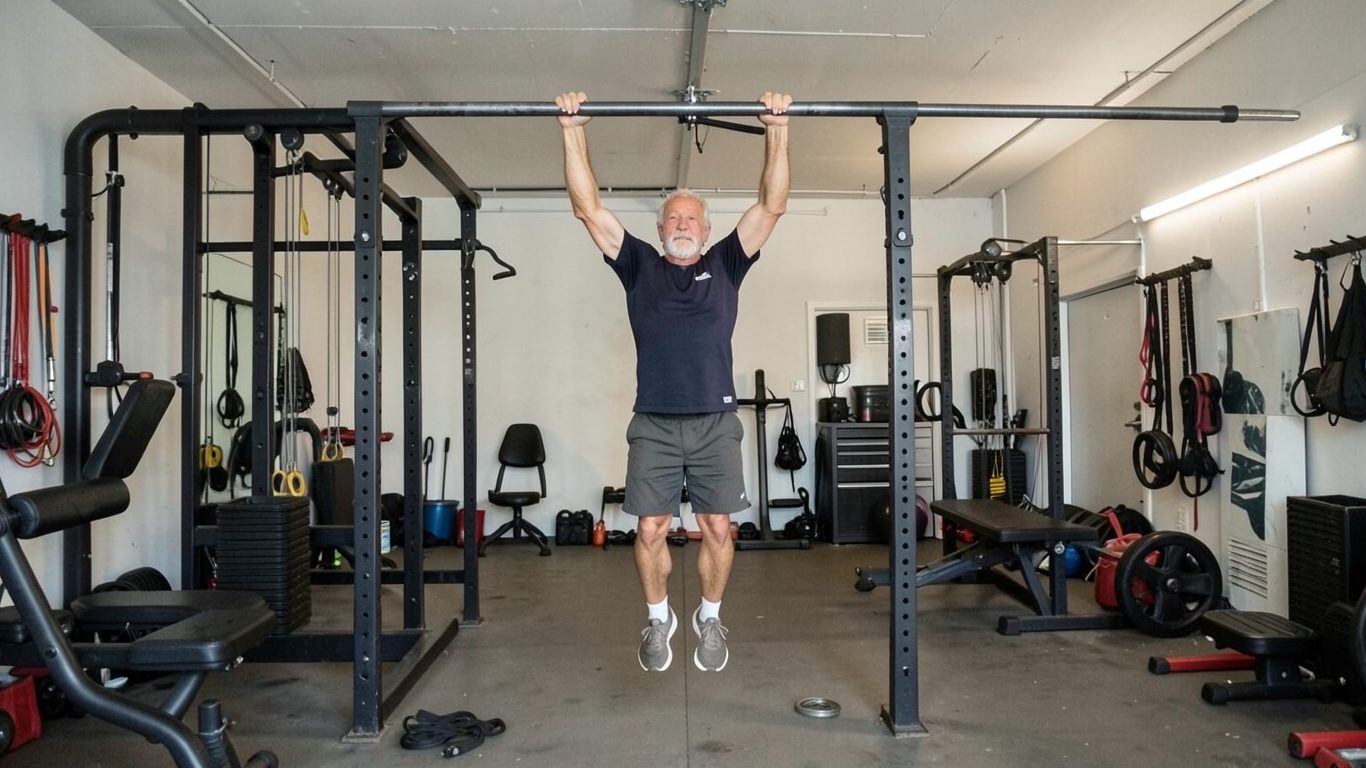
Even later in life, the body responds to strength training.
Improvements can happen at any age.
The key is consistency, not intensity.
The Renovation Dad Perspective
Muscle isn’t about chasing a younger version of yourself.
It’s about building a body that supports the life you want to live.
Strength is capability.
Capability is freedom.
Where to Go Next
If you want to build or maintain muscle, continue here:
Strength for Life — why strength matters
Safe Strength Training for Men Over 50 — getting started
The Minimum Effective Dose for Strength After 50 — training smarter
Recovery After 50 — supporting progress
Renovation Dad Bottom Line
Muscle is more than strength.
It’s a foundation for independence, resilience, and long-term health.
Build it. Maintain it. Use it.
Strong muscles support a strong life.
Stay capable. Stay confident. Stay useful.