The simple truth about how real progress actually happens. It often looks like this, you get motivated, you go all in. You push hard for a few weeks. Then life gets busy, energy dips, or recovery lags — and everything stops. Weeks later, you start again. This stop-start cycle feels like effort, but it rarely …

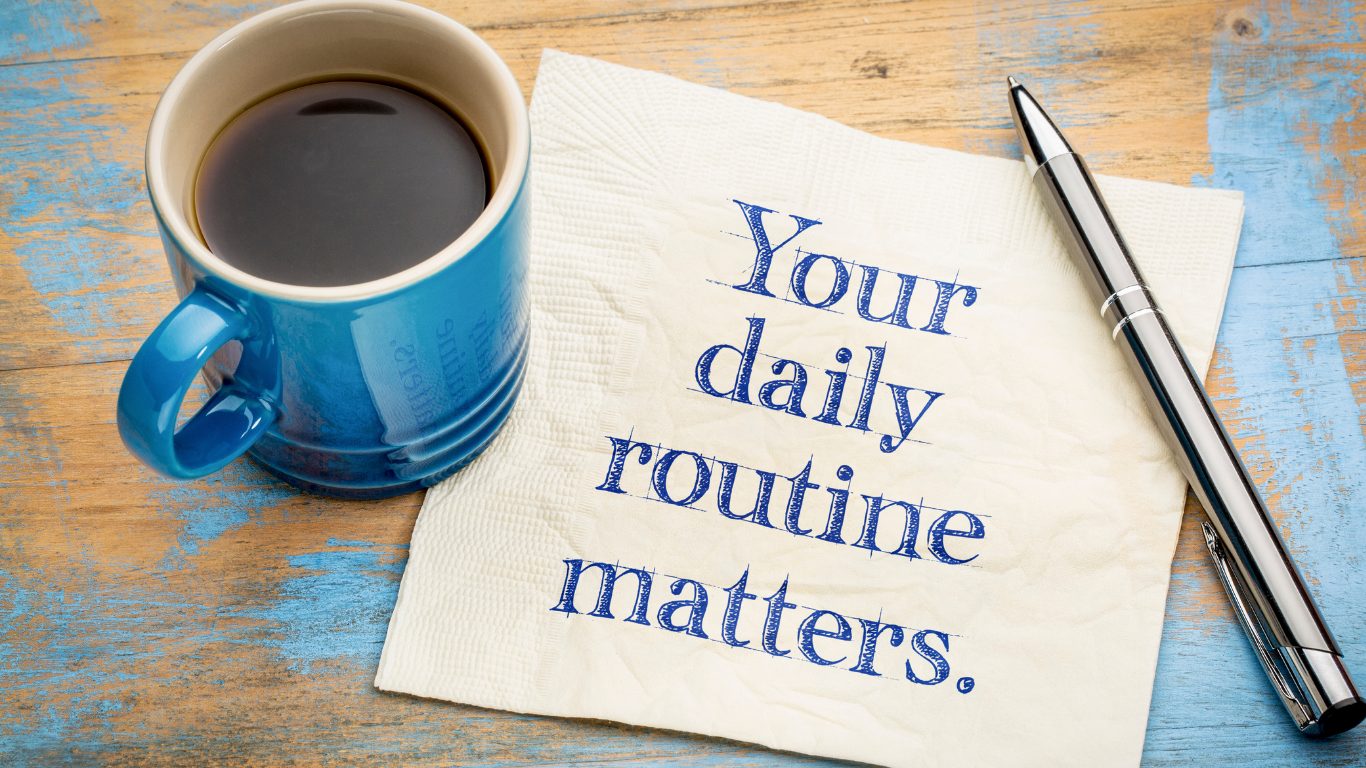
The simple truth about how real progress actually happens.
It often looks like this, you get motivated, you go all in. You push hard for a few weeks.
Then life gets busy, energy dips, or recovery lags — and everything stops.
Weeks later, you start again.
This stop-start cycle feels like effort, but it rarely produces lasting results.
Because progress doesn’t come from bursts.
It comes from consistency.
Why Big Efforts Feel Productive
Intense periods of effort feel satisfying because they’re visible.
You feel:
- motivated
- disciplined
- committed
But they often rely on short-term energy and willpower.
And willpower fluctuates.
Habits, on the other hand, are sustainable.
HOW SMALL HABITS CREATE BIG CHANGE
They Reduce Friction
Small actions are easier to start.
And starting is often the hardest part.
How to Build a Routine You’ll Actually Stick To
When something feels manageable, you’re more likely to repeat it.
They Build Momentum
Every small action reinforces the identity:
“I take care of myself.”
Momentum grows quietly, but powerfully.
They Support Recovery
Large bursts of effort can overwhelm recovery capacity.
Signs You’re Not Recovering Properly
Smaller, consistent inputs allow the body to adapt steadily.
They Fit Real Life
Daily habits can adjust around busy schedules.
They don’t require perfect conditions.
How to Stay Active During Busy or Stressful Periods
This makes them sustainable long term.
They Compound Over Time
The effect of small actions adds up.
A short walk daily.
A few strength sessions each week.
Consistent sleep habits.
Over months and years, these create significant change.
Why This Matters More After 50
With age, recovery becomes more important than intensity.
Progress comes from:
- steady inputs
- manageable effort
- consistent routines
The Minimum Effective Dose for Strength After 50
Extreme effort becomes less effective — and less sustainable.
The Psychology of Consistency
Small habits reduce pressure.
There’s less fear of failure, because the commitment is realistic.
Consistency builds confidence — and confidence reinforces the habit.
What This Looks Like in Practice
Examples of small habits:
- a daily 10-minute movement reset
- regular walking
- 2–3 strength sessions per week
- consistent bedtime routine
The 10 Minute Daily Movement Reset
Individually small. Collectively powerful.
Why Bursts Still Feel Tempting
We’re often drawn to quick change.
But long-term health isn’t built quickly.
It’s built through repetition.
Slow progress is stable progress.
The Renovation Dad Perspective
Maintaining a house isn’t about occasional major renovations.
It’s about regular upkeep.
Small tasks done consistently prevent bigger problems later.
Your body works the same way.
Where to Go Next
If you want to build consistent habits, continue here:
How to Build a Routine You’ll Actually Stick To — creating structure
The Weekly Routine That Keeps You Fit for Life — balance
Recovery After 50 — supporting adaptation
The Big Picture: How All Five Systems Work Together — the full framework
Renovation Dad Bottom Line
Big efforts feel impressive.
Small habits create lasting change.
Consistency isn’t dramatic — but it’s powerful.
Do a little, often.
Stay steady. Stay capable. Stay useful.