The Old Definition of Fitness For many people, fitness used to mean, being lean, lifting heavy, running fast and pushing hard. It was about performance and appearance. But after 50, priorities often shift. Fitness becomes less about chasing numbers — and more about how your body supports your life. The New Definition: Capability Feeling fit …

The Old Definition of Fitness
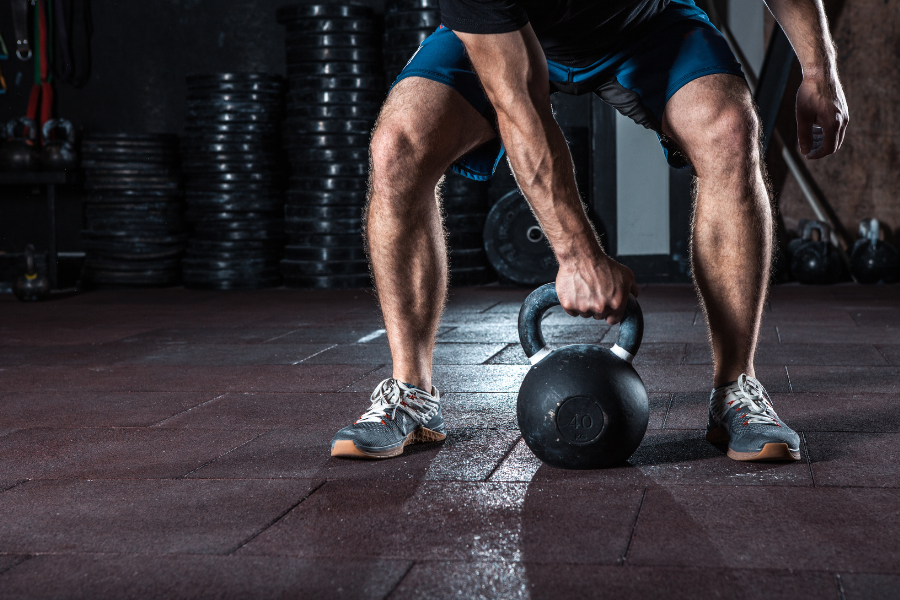
For many people, fitness used to mean, being lean, lifting heavy, running fast and pushing hard.
It was about performance and appearance.
But after 50, priorities often shift.
Fitness becomes less about chasing numbers — and more about how your body supports your life.
The New Definition: Capability
Feeling fit after 50 is about one core idea:
Capability
Your ability to:
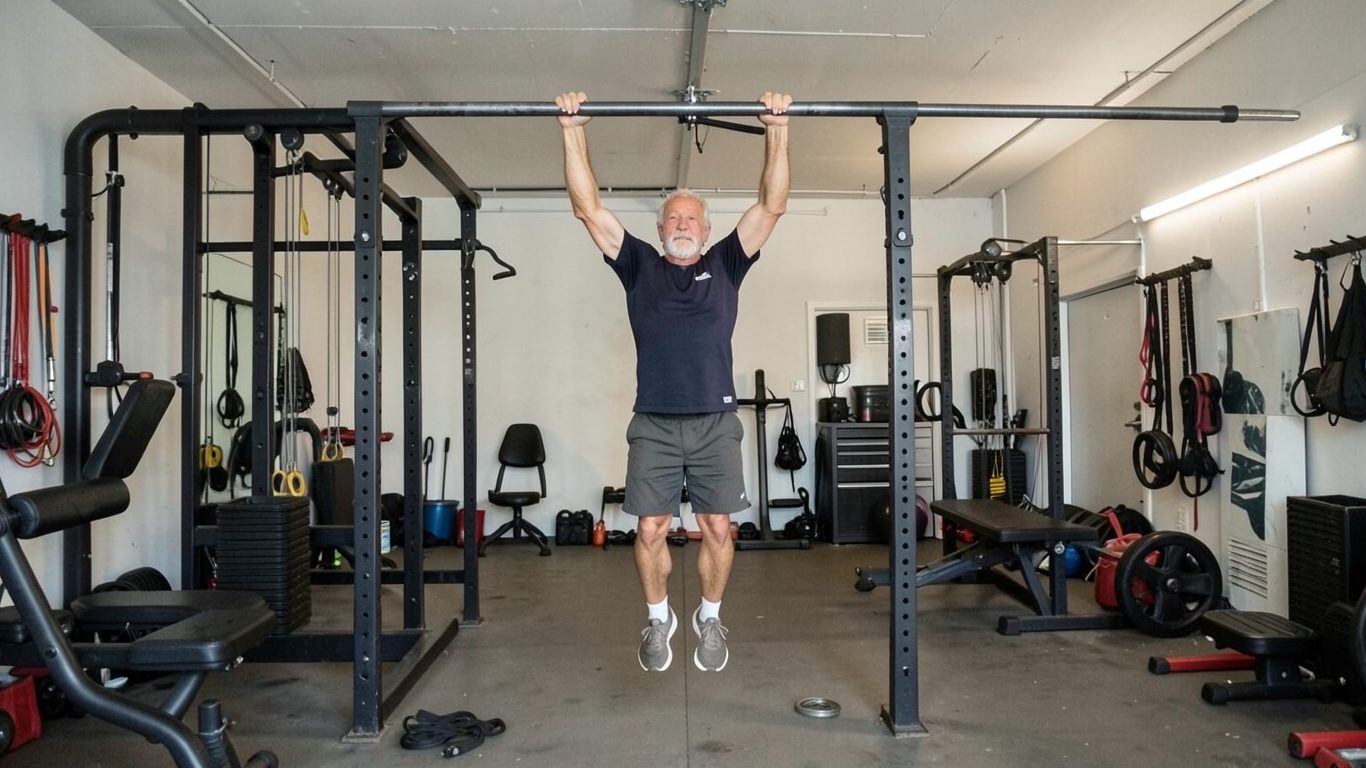
- move comfortably
- handle daily tasks
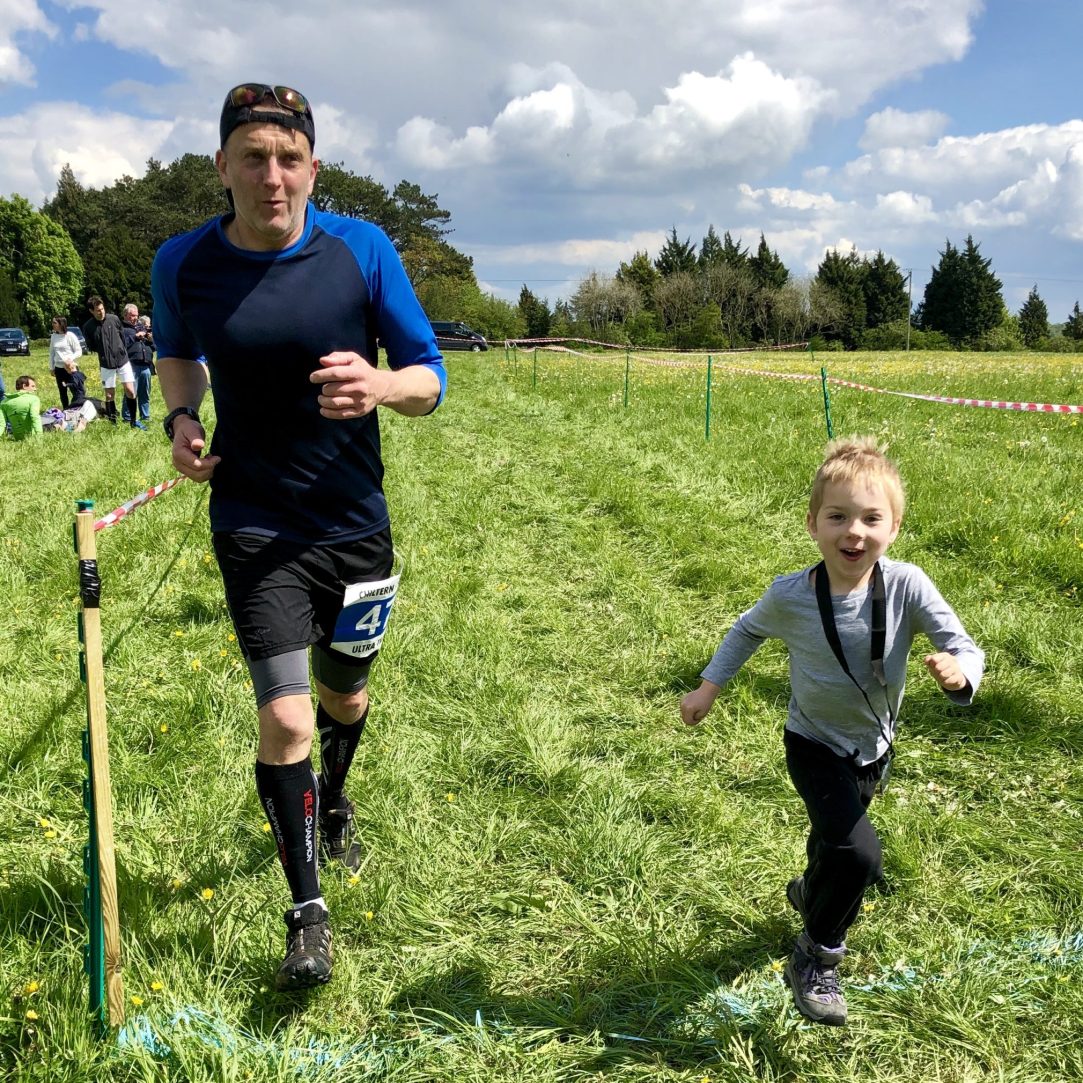
- stay active
- recover well
- feel confident in your body
It’s about what your body allows you to do.
Not just what it looks like.
WHAT FEELING FIT REALLY LOOKS LIKE
Moving Without Hesitation
You don’t worry about:
- bending
- lifting
- climbing stairs
Movement feels natural and comfortable.
Having Reliable Energy
You have enough energy to get through the day without constant fatigue.
Energy feels steady rather than unpredictable.
Why Energy Fluctuates More After 50
Feeling Strong in Daily Life
Everyday tasks feel manageable and controlled.
Strength becomes practical, not just measurable.
Recovering Well
You bounce back from activity, not feel drained by it.
Feeling Confident in Your Body
You trust your body rather than worrying about hurting it.
What Strength Progress Looks Like After 50
This confidence is one of the most powerful markers of fitness.
Why This Shift Matters
If fitness stays tied to youthful expectations, it can feel like decline.
But when fitness is defined by capability, progress is always possible.
This mindset keeps you engaged and motivated.
Fitness as Freedom
Feeling fit means having the freedom to:
- travel
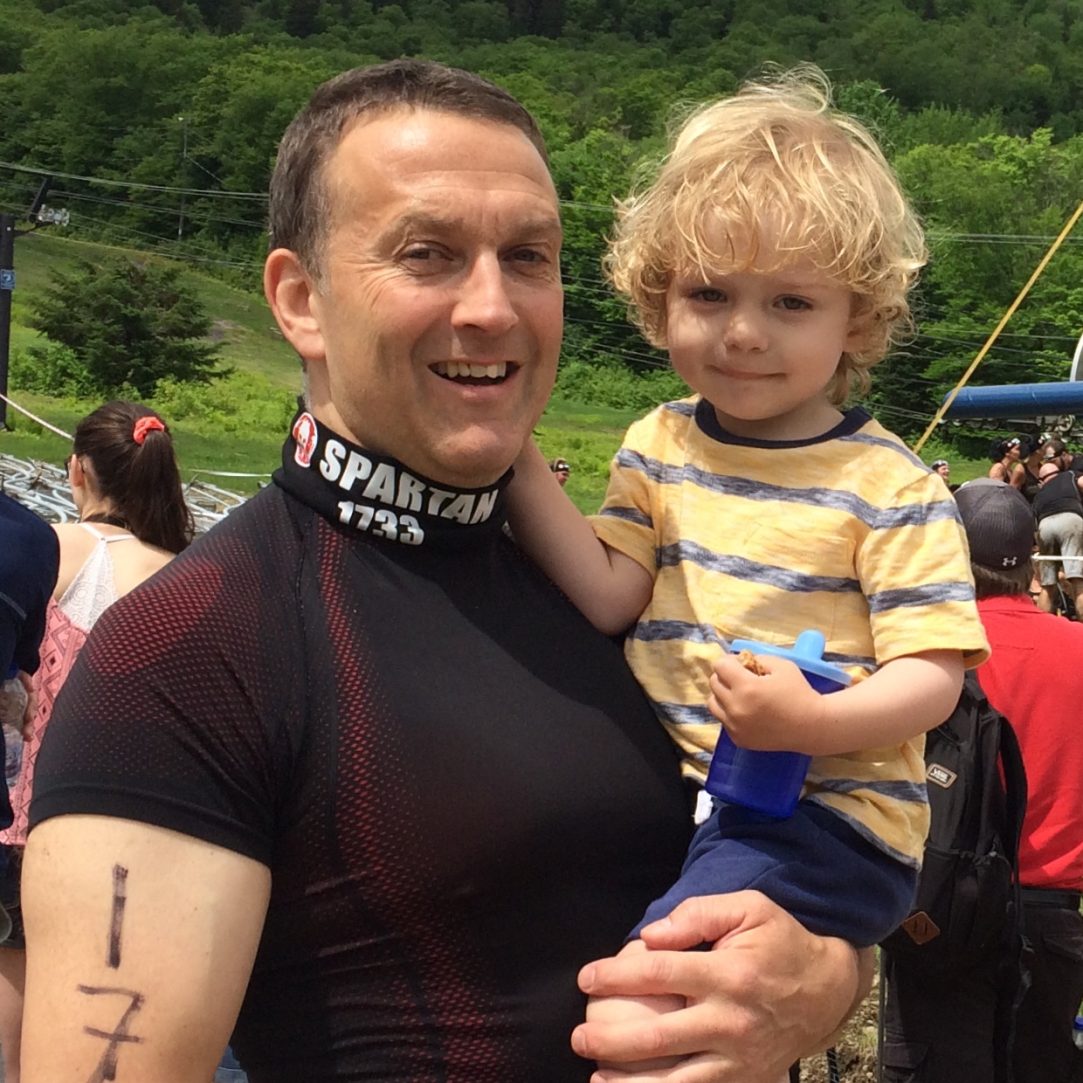
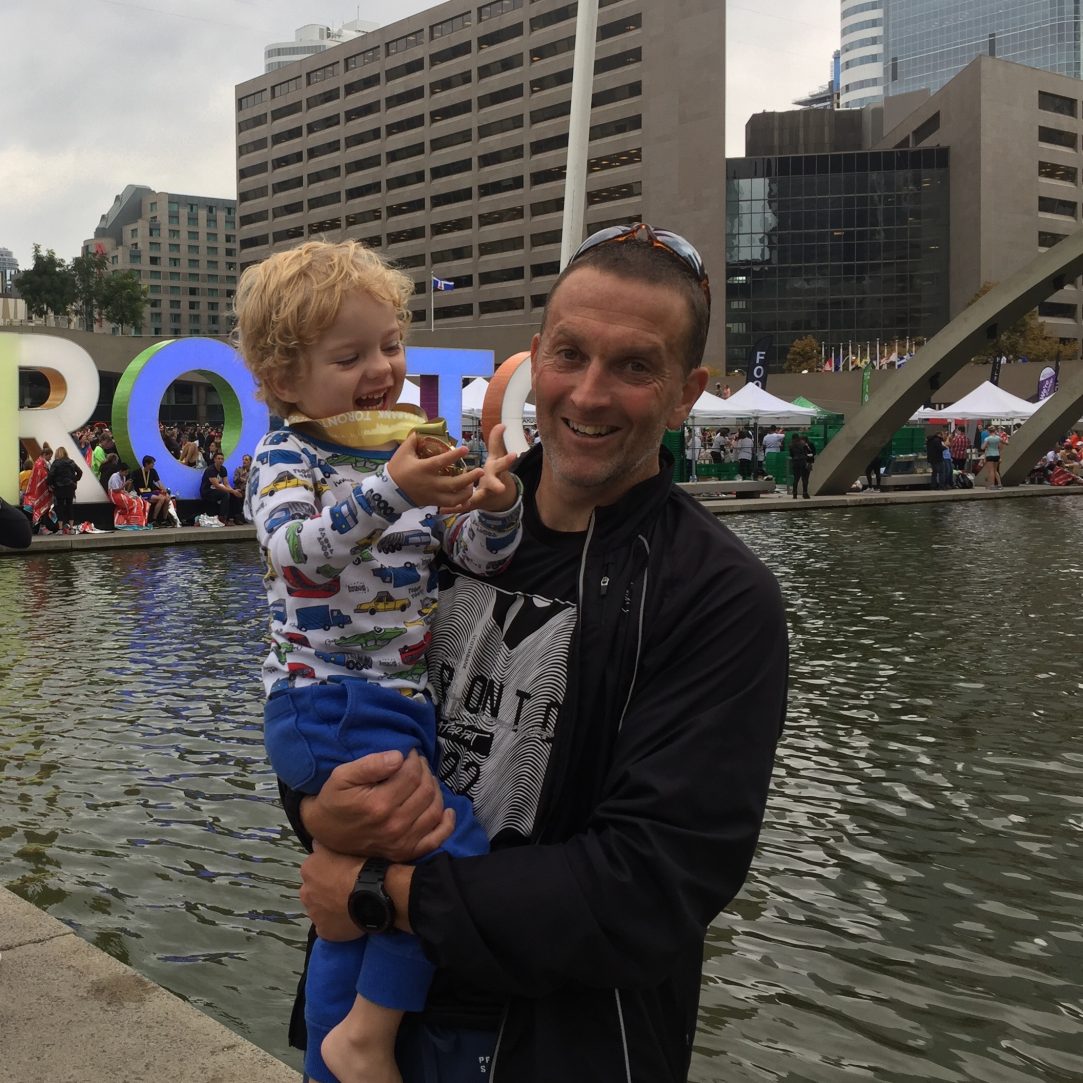
- play with grandchildren
- enjoy hobbies
- stay independent
Fitness becomes a tool for living well, not an end goal.
What Doesn’t Define Fitness After 50
You don’t need:
- extreme workouts
- constant soreness
- perfect routines
- dramatic transformations
Consistency and balance matter more.
The Minimum Effective Dose for Strength After 50
The Emotional Side of Fitness
Feeling fit also affects how you see yourself.
It builds:
- confidence
- resilience
- optimism
These benefits extend beyond physical health.
How to Build This Kind of Fitness
Focus on:
Strength
Movement
Recovery
Stress regulation
Consistent habits
The Big Picture: How All Five Systems Work Together
Small improvements across these areas create lasting capability.
The Renovation Dad Perspective
You’re not trying to become your younger self.
You’re building a body that supports the life you have now — and the years ahead.
Fitness is not about perfection.
It’s about reliability.
Where to Go Next
If you want to build this kind of fitness, continue here:
The Weekly Routine That Keeps You Fit for Life — structure
Strength for Life — building capability
Recovery After 50 — supporting energy
Mobility After 50 — moving comfortably
Renovation Dad Bottom Line
Feeling fit after 50 isn’t about chasing performance.
It’s about feeling capable, confident, and free in your body.
When you build strength, support recovery, and stay consistent, fitness becomes something you live — not something you chase.
Stay capable. Stay confident. Stay useful.