Your body’s built-in reset switch — and how to use it. Most men have had this moment: You sit down to unwind…But your body still feels switched on. Shoulders tight.Mind busy.Breathing shallow. It feels like the system hasn’t got the message. That’s because relaxation isn’t just a decision.It’s a physiological state. And one of the …

Your body’s built-in reset switch — and how to use it.
Most men have had this moment:
You sit down to unwind…
But your body still feels switched on.
Shoulders tight.
Mind busy.
Breathing shallow.
It feels like the system hasn’t got the message.
That’s because relaxation isn’t just a decision.
It’s a physiological state.
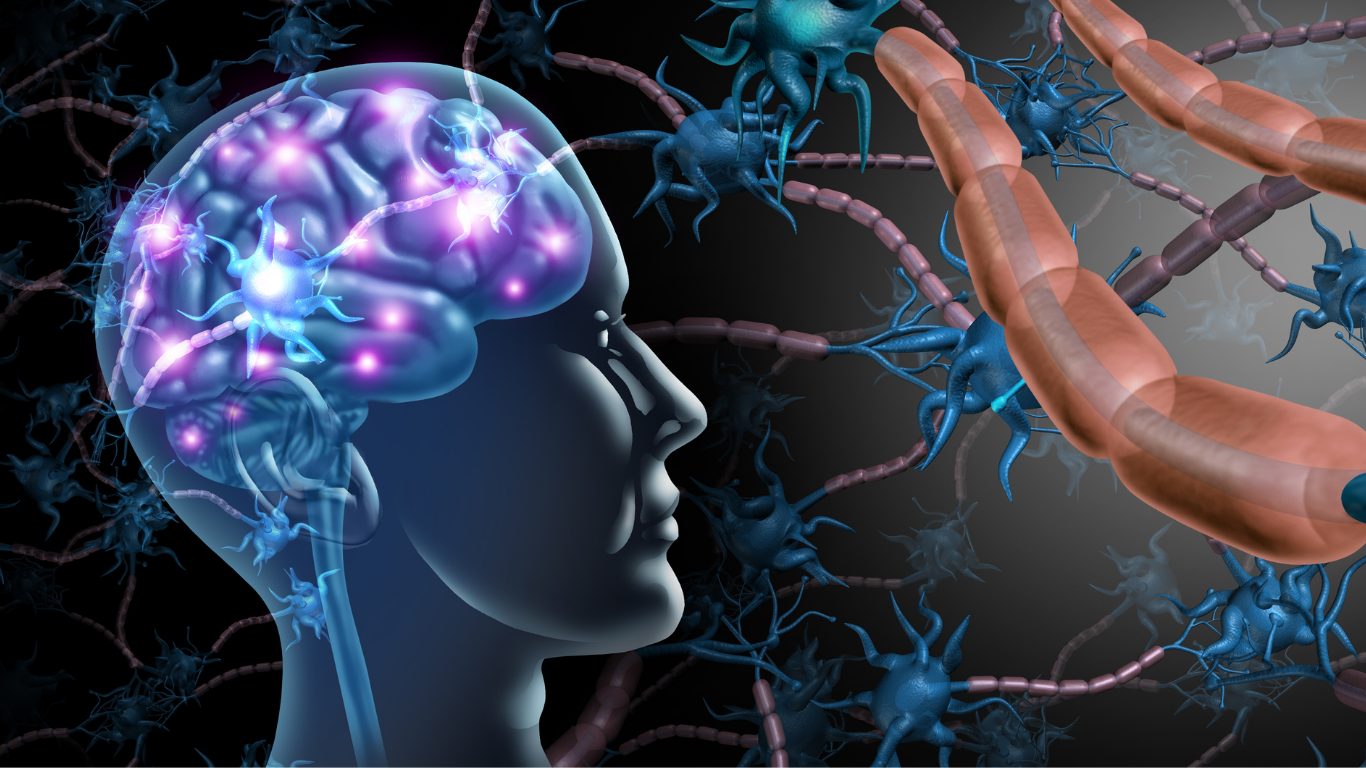
And one of the key players is the vagus nerve.
What the Vagus Nerve Actually Is.
The vagus nerve is part of your body’s calming system.
It connects your brain to:
- heart
- lungs
- gut
- diaphragm
Think of it as a communication line that tells your body:
“We’re safe now. You can stand down.”
When it’s active, your body shifts into repair mode.
The Two Modes Your Body Operates In
Your nervous system is always balancing between:
“On” mode
Fight, flight, alertness
“Off” mode
Calm, repair, recovery
The vagus nerve helps you move into the second state.
Without it, the body stays slightly revved up.
The Tension You Can’t Stretch Away
Why This Matters More After 50
As we age:
- stress accumulates
- recovery takes longer
- sleep becomes lighter
- the body holds more tension
If the calming system isn’t engaged regularly, you stay in a low-level stress state.
That affects:
- sleep
- energy
- hormones
- muscle recovery
- mood
Signs Your Calming System Needs Support
You might notice:
- difficulty switching off
- shallow breathing
- poor sleep quality
- feeling wired at night
- tension in hips or shoulders
- fatigue despite rest
These are signs the body isn’t fully downshifting.
What Activates the Vagus Nerve
You don’t need complicated tools.
The vagus nerve responds to simple signals that tell the body it’s safe.
Slow breathing
Long, controlled exhales are one of the fastest ways to shift the system.
Walking
Rhythmic movement calms the nervous system.
Walking, Rucking & Low Impact Cardio
Gentle movement
Mobility work done calmly reduces tone.
Social connection
Positive interaction lowers stress response.
Stillness
Quiet time helps the system reset.
Why Breathing Works So Well
Your breath is the quickest way to influence the nervous system.
Longer exhales signal:
“We’re not under threat.”
That’s why breathing exercises often feel calming — they directly engage the vagus nerve.
The Connection to Tightness and Pain
When the calming system is underused, muscle tone stays higher.
That’s why stress often shows up as:
- tight hips
- stiff back
- tense shoulders
Why Stretching Isn’t Fixing Your Tightness
Improving regulation reduces these patterns.
How This Improves Strength and Performance
When the nervous system is balanced:
- recovery improves
- strength increases
- movement feels easier
- fatigue reduces
This isn’t just relaxation.
It’s performance support.
A Simple Daily Reset
You don’t need a full routine.
Try this:
3–5 minutes slow breathing
Short walk
Gentle movement
These signals add up.
Consistency matters more than duration.
The Renovation Dad View
The vagus nerve isn’t something you “train” aggressively.
You support it through habits that reduce pressure.
It’s part of the house wiring.
When it works well, everything else runs smoother.
Where to Go Next
If this makes sense, continue here:
The Tension You Can’t Stretch Away — understanding stored stress
Stress, Calm & Mental Fitness — building resilience
Recovery After 50 — improving repair
How to Calm Your Psoas Before You Stretch It — practical application
Renovation Dad Bottom Line
You can’t force relaxation.
But you can create the signals that allow it.
When the calming system works well, the body recovers, moves, and feels better.
That’s not softness.
That’s efficiency.