How to stay strong without making things worse. The moment many men pull back is when a knee starts aching.The shoulder feels stiff or their back tightens after a session. And the immediate thought is: “I should probably stop training.” It’s understandable. Nobody wants to make things worse. But in most cases, the solution isn’t …

How to stay strong without making things worse.
The moment many men pull back is when a knee starts aching.
The shoulder feels stiff or their back tightens after a session.
And the immediate thought is:
“I should probably stop training.”
It’s understandable. Nobody wants to make things worse.
But in most cases, the solution isn’t to stop.
It’s to adapt.
Because avoiding movement often leads to more stiffness, more weakness, and more pain over time.
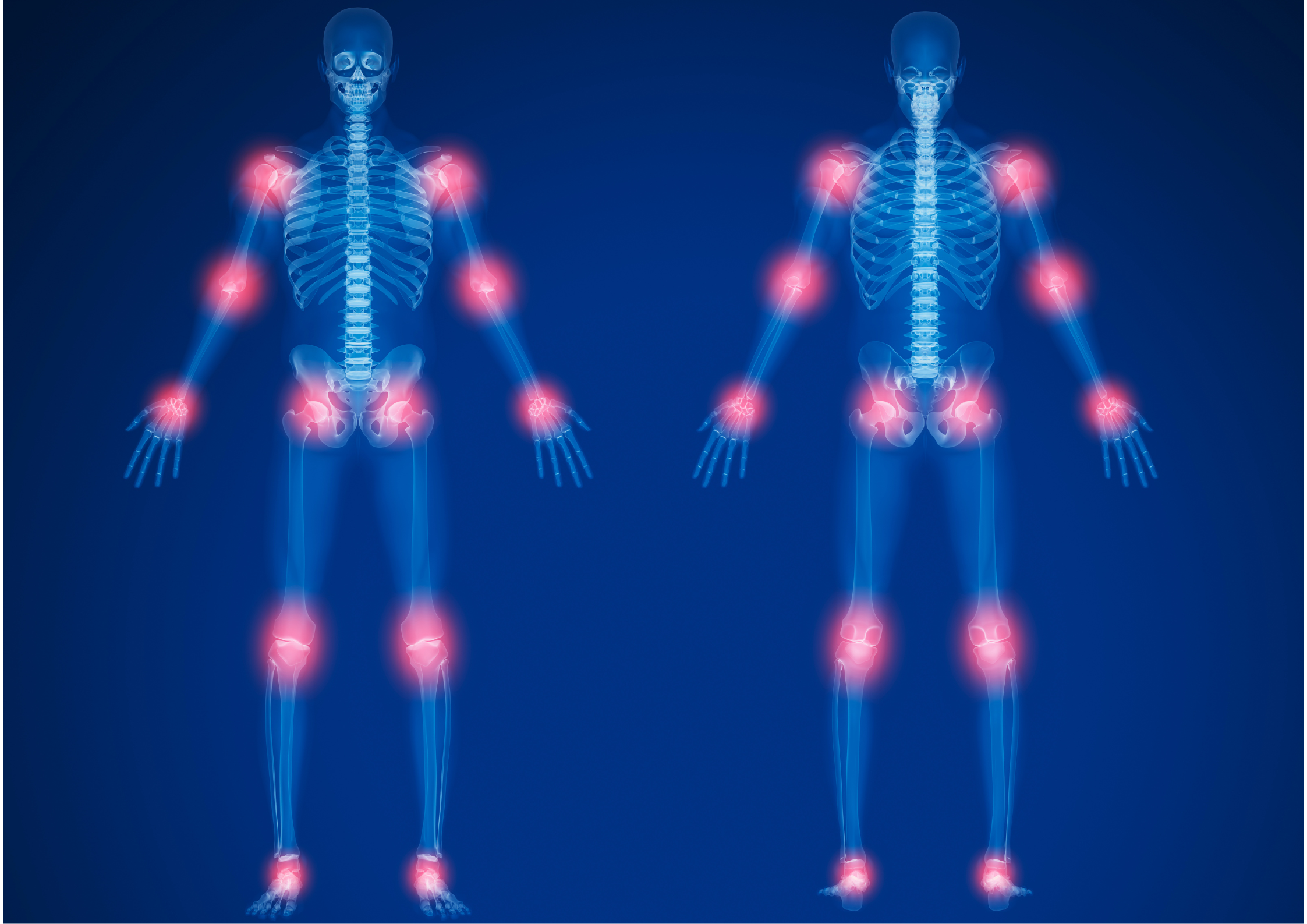
Joint Pain Doesn’t Always Mean Damage
Pain is a signal — not always a warning of injury.
After 50, joint discomfort is often linked to:
- reduced movement
- muscle weakness
- load tolerance changes
- fatigue
- tension
Not structural damage.
Understanding this reduces fear, which is one of the biggest barriers to staying active.
Why Strength Still Matters
Strong muscles reduce the load on joints.
They improve:
- stability
- alignment
- movement control
- confidence
Which is why strength training is one of the most effective ways to manage joint pain long term.
The Goal: Reduce Irritation, Not Avoid Movement
When training with joint pain, the objective is simple:
Keep the joint moving
Reduce aggravation
Build capacity gradually
Think of it as adjusting the workload, not abandoning the project.
The Three Rules for Training With Joint Pain
Stay within tolerable discomfort
A mild ache during or after exercise is often acceptable.
Sharp or worsening pain is not.
Modify range, load, or speed
Small changes often make a big difference.
Focus on consistency over intensity
Frequent moderate sessions build tolerance safely.
The Minimum Effective Dose for Strength After 50
Practical Ways to Adapt Training
Reduce range of motion
Work within a comfortable zone.
Use slower tempos
Improves control and reduces joint stress.
Choose supported positions
Seated or supported exercises reduce load.
Lower the weight
Progress comes from consistency, not max effort.
Add rest between sessions
Joints need recovery time.
The Role of Movement Quality
Pain often improves when movement improves.
Poor movement patterns can overload certain joints.
Improving mobility and control spreads the load more evenly.
The Nervous System Connection
Pain sensitivity increases when the body is under stress or fatigue.
That’s why joint discomfort often feels worse when:
- sleep is poor
- stress is high
- recovery is low
Stress, Calm & Mental Fitness
The Tension You Can’t Stretch Away
Reducing overall load can reduce perceived pain.
When to Be More Cautious
You should scale back or seek advice if:
- pain worsens significantly
- swelling occurs
- joint feels unstable
- pain affects daily function
Listening to the body prevents escalation.
What Progress Looks Like
Training around joint pain isn’t about pushing through.
It’s about:
- reducing discomfort gradually
- increasing tolerance
- building confidence
Over time, most people notice:
- less pain
- easier movement
- stronger support muscles
The Psychological Side
One of the biggest challenges isn’t physical — it’s fear.
Fear leads to avoidance.
Avoidance leads to weakness.
Weakness increases discomfort.
Breaking this cycle is powerful.
Strength as Long-Term Joint Protection
Consistent strength training:
- reduces joint stress
- improves bone density
- improves balance
- reduces fall risk
This is why staying active is one of the best long-term strategies.
Where to Go Next
If you want to continue building strength safely:
Safe Strength Training for Men Over 55 — practical approach
Mobility After 55 — improve movement quality
Recovery After 50 — support joint repair
The Minimum Effective Dose for Strength After 55 — train smarter
Renovation Dad Bottom Line
Joint pain doesn’t mean you’re done.
It means you need to adjust the plan.
Move within comfort.
Build gradually.
Stay consistent.
Strength protects joints — avoidance weakens them.