How to recognise when pressure is showing up physically. You’re not injured.You’re not ill.But your body doesn’t feel as comfortable or energetic as it used to. You might notice more tension, less energy, disrupted sleep or small aches. These symptoms often feel physical. But many times, they’re the body responding to stress. Stress doesn’t just …

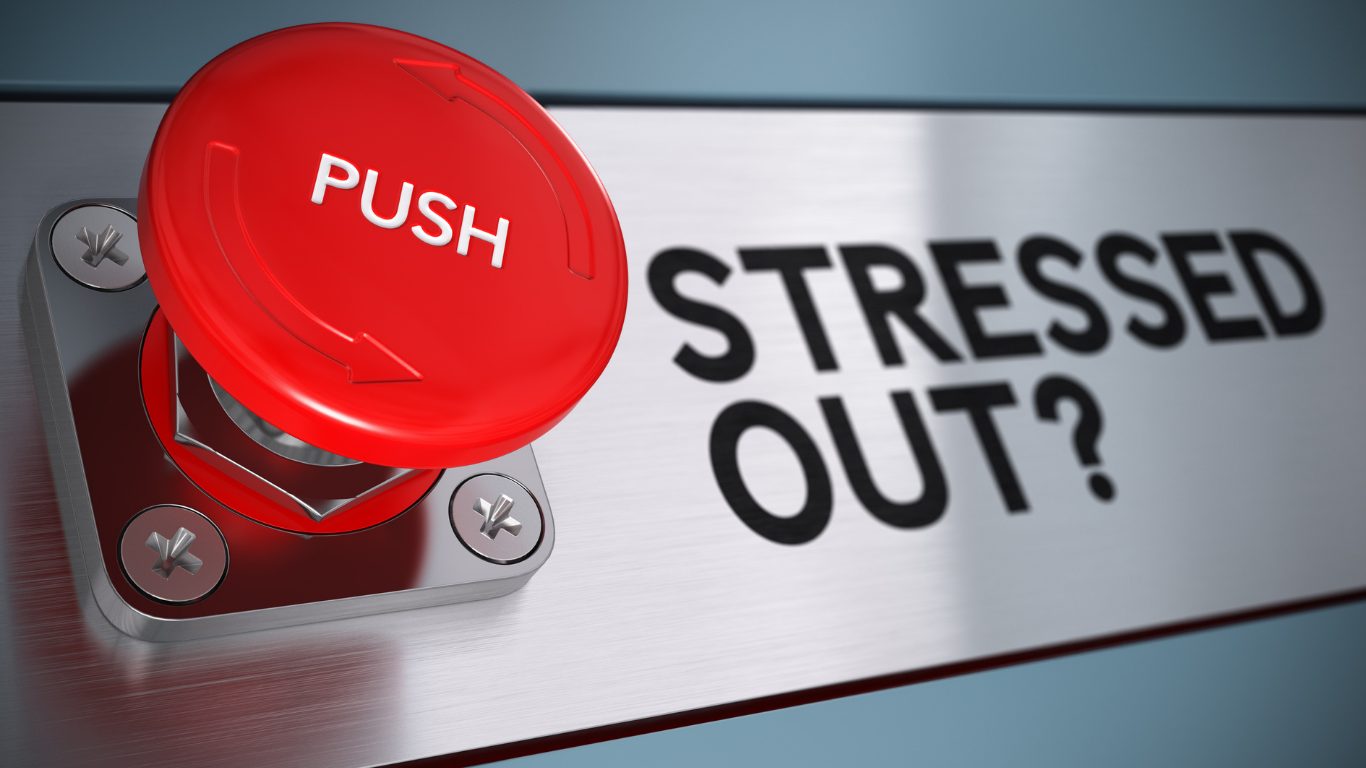
How to recognise when pressure is showing up physically.
You’re not injured.
You’re not ill.
But your body doesn’t feel as comfortable or energetic as it used to.
You might notice more tension, less energy, disrupted sleep or small aches.
These symptoms often feel physical.
But many times, they’re the body responding to stress.
Stress doesn’t just live in your thoughts.
It lives in your nervous system, muscles, and recovery processes.
Why the Body Reacts to Stress
Stress activates your body’s alert system.
This response is designed to help you deal with challenges.
But when stress becomes constant, the system doesn’t fully switch off.
Over time, this can affect:
- muscle tone
- sleep quality
- energy
- pain sensitivity
The Hidden Load: How Stress Shows Up Physically
Recognising these signals helps you respond early.
COMMON PHYSICAL SIGNS OF STRESS
Persistent Muscle Tension
You may notice tightness in:
- shoulders
- neck
- hips
- lower back
This happens because the body maintains a protective state.
Why Stretching Isn’t Fixing Your Tightness
Poor or Disrupted Sleep
Difficulty switching off or waking during the night often reflects an overactive nervous system.
Sleep After 50: Why It Changes and What Helps
Feeling Wired but Tired
You feel fatigued but unable to fully relax.
This is a classic sign of elevated stress response.
Increased Sensitivity to Aches
Normal sensations may feel more uncomfortable when the body is under stress.
How to Tell the Difference Between Normal Pain and Injury
Reduced Energy
Chronic stress drains energy reserves and affects recovery.
Why Energy Fluctuates More After 50
Slower Recovery
Workouts feel harder to recover from, and soreness lingers longer.
Signs You’re Not Recovering Properly
Digestive Changes
Stress can affect appetite or digestion because the body prioritises alertness over rest.
Why These Symptoms Are Often Misinterpreted
Many people assume these signs mean:
- ageing
- injury
- declining fitness
But often, they reflect the body being under prolonged pressure.
Understanding this reduces unnecessary worry and helps you focus on solutions.
The Stress–Body Feedback Loop
Stress increases physical symptoms.
Physical discomfort increases stress.
Breaking this cycle helps both.
Small supportive changes can shift the system back toward balance.
WHAT HELPS REDUCE PHYSICAL STRESS
Regular low-intensity movement
Walking helps regulate the nervous system.
Walking, Rucking & Low Impact Cardio
Strength training
Improves resilience and reduces tension over time.
Consistent recovery habits
Sleep and downtime allow the body to reset.
Breathing and relaxation
Signals safety to the nervous system.
The Vagus Nerve Explained Simply
Balanced routines
Predictability reduces physiological stress.
How to Build a Routine You’ll Actually Stick To
Why Awareness Is Powerful
Recognising the signs of stress doesn’t mean something is wrong.
It means your body is communicating.
When you respond with supportive habits, symptoms often improve steadily.
The Renovation Dad Perspective
Your body isn’t fragile.
It’s responsive.
When stress increases, it adapts to protect you.
When you reduce pressure, it adapts again — restoring comfort and energy.
Where to Go Next
If these signs resonate, continue here:
The Hidden Load: How Stress Shows Up Physically — deeper understanding
Cortisol Explained Simply — hormonal response
Recovery After 50 — restoring balance
Sleep After 50: Why It Changes and What Helps — improving rest
Renovation Dad Bottom Line
Stress doesn’t just affect how you think.
It affects how you feel, move, sleep, and recover.
Recognising the signs early allows you to support your body before symptoms build.
Reduce the load. Restore balance. Stay capable.