Why your body feels the pressure even when you’re not aware of it. You may notice a constant tightness, low energy, poor sleep and lingering aches. But nothing specific seems wrong. You’re not injured.You’re not sick. You just don’t feel quite right. Often, what you’re feeling isn’t a physical problem alone. It's a hidden load …

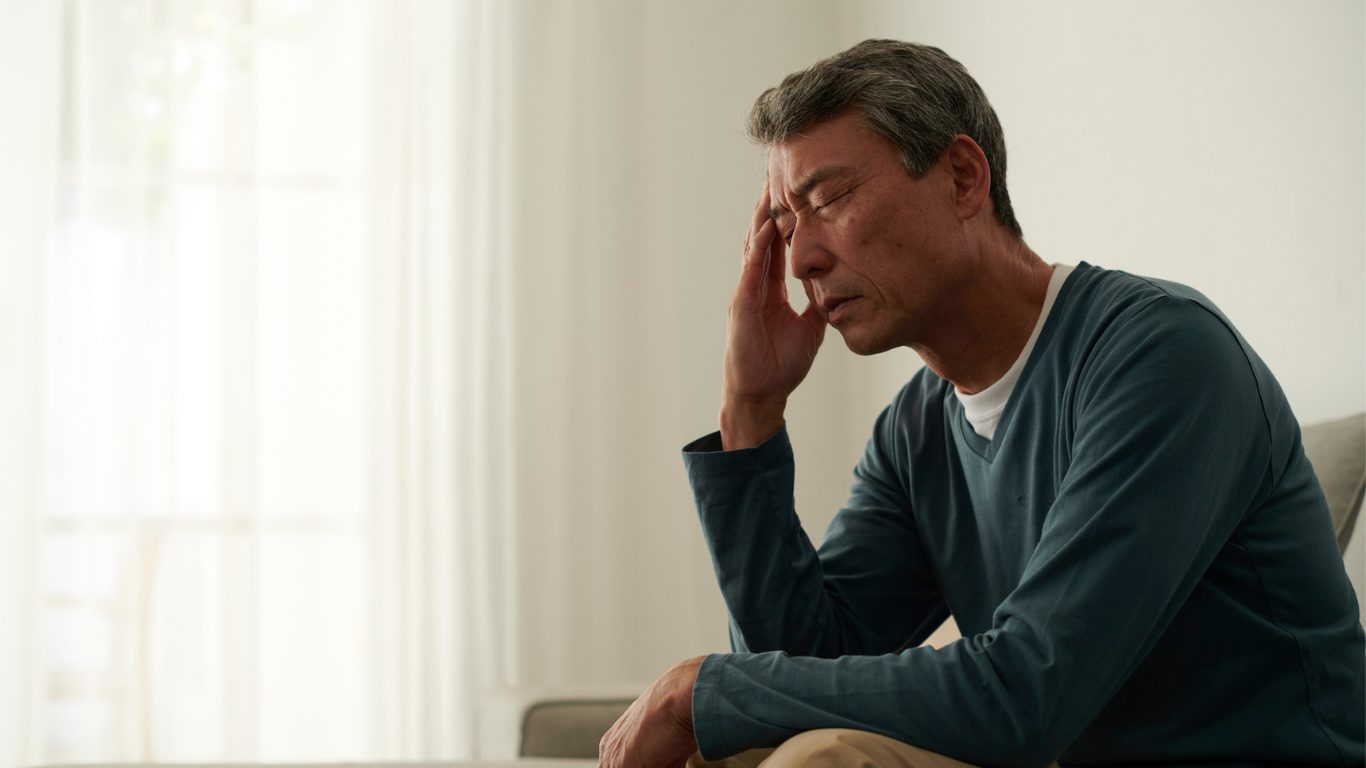
Why your body feels the pressure even when you’re not aware of it.
You may notice a constant tightness, low energy, poor sleep and lingering aches.
But nothing specific seems wrong.
You’re not injured.
You’re not sick.
You just don’t feel quite right.
Often, what you’re feeling isn’t a physical problem alone.
It’s a hidden load — the accumulated effect of stress on the body.
Stress Isn’t Just Mental
We often think of stress as something that happens in the mind.
But the body responds immediately.
Muscles tense.
Breathing changes.
Heart rate increases.
Recovery slows.
These responses are helpful short term.
But when stress is constant, the body never fully resets.
The Tension You Can’t Stretch Away
What “Hidden Load” Means
Hidden load is the total pressure your system carries from:
- work
- responsibilities
- poor sleep
- physical strain
- emotional stress
- life transitions
You might not consciously feel stressed.
But your body still responds.
Over time, this creates a constant background tension.
HOW STRESS SHOWS UP PHYSICALLY
Many physical symptoms are actually stress responses.
Muscle Tightness
The nervous system increases muscle tone to prepare for action.
Common areas:
- neck
- shoulders
- hips
- lower back
Why Stretching Isn’t Fixing Your Tightness
This often feels like stiffness that doesn’t fully resolve.
Fatigue
Chronic stress drains energy reserves.
Even with rest, the body may feel depleted.
Signs You’re Not Recovering Properly
Poor Sleep
If the system stays alert, sleep becomes lighter and more fragmented.
Sleep After 50: Why It Changes and What Helps
Increased Pain Sensitivity
Stress lowers pain tolerance, making normal sensations feel more intense.
How to Tell the Difference Between Normal Pain and Injury
Reduced Recovery
Muscle repair and hormone balance are affected when stress is elevated.
Why This Matters More After 50
With age:
- recovery capacity narrows
- accumulated stress increases
- the nervous system becomes more sensitive
This makes the effects of stress more noticeable.
But it also means small changes can have big benefits.
The Nervous System’s Role
Your body constantly scans for safety.
If it senses pressure, it maintains a protective state.
This keeps muscles slightly braced and recovery signals suppressed.
The Vagus Nerve Explained Simply
Helping the body feel safe is key to reducing hidden load.
Signs You Might Be Carrying Hidden Load
You may recognise:
- feeling tense without knowing why
- waking tired
- low motivation
- tightness that moves around
- feeling wired at night
- fatigue despite rest
These patterns often reflect stress rather than physical decline.
How to Reduce Hidden Load
You don’t need drastic changes.
You need consistent signals that reduce pressure.
Regular movement
Walking and gentle activity reduce tension.
Walking, Rucking & Low Impact Cardio
Strength training
Improves resilience and confidence.
Recovery habits
Sleep and downtime restore the system.
Evening Routine for Better Sleep After 50
Calm practices
Breathing, quiet time, and slowing down help the body reset.
Why Understanding This Changes Everything
When people understand hidden load, they stop assuming:
“My body is just getting worse.”
Instead they realise:
“My system is overloaded.”
That shift reduces fear and encourages supportive habits.
The Renovation Dad Perspective
Your body isn’t fragile.
It’s responsive.
When you reduce pressure and increase support, symptoms often improve.
Not instantly.
But steadily.
Where to Go Next
If this resonates, continue here:
The Tension You Can’t Stretch Away — understanding stored tension
Recovery After 50 — improving repair capacity
Stress, Calm & Mental Fitness — building resilience
The Vagus Nerve Explained Simply — how the body downshifts
Renovation Dad Bottom Line
Stress doesn’t just live in your thoughts.
It lives in your muscles, your sleep, your energy, and your recovery.
When you reduce hidden load, the body moves, heals, and feels better.
Support the system — and everything else improves.